Exploring the Intersection of Oceanology and Creative Word Art
In today’s fast-paced world, creativity is more than just an art—it's a tool for expression, communication, and inspiration. One such creative element that has gained popularity across various industries is word art. Whether it's for personal use or professional branding, word art offers a unique way to convey messages visually. When paired with oceanology, this fusion creates a powerful blend of science and design, making it ideal for a wide range of applications—from educational materials to decorative items.
What Is Word Art?
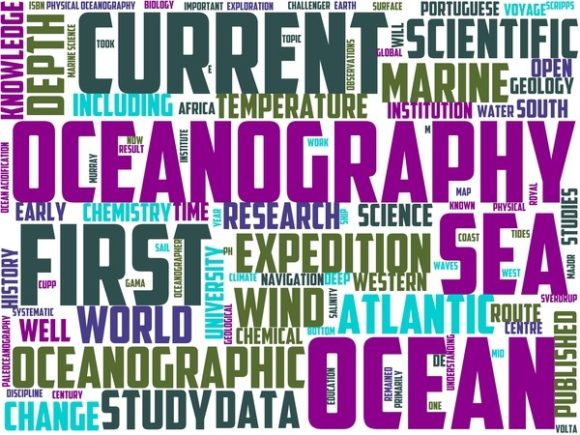
Word art refers to the artistic representation of words, often through typography, color, and layout. It can take many forms, from simple text designs to intricate patterns and illustrations. In the context of Oceanology Wordart Tie Dye.jpg, the word art is not just about visual appeal; it also incorporates elements of nature and marine life, reflecting the beauty and complexity of the ocean.
This particular word art design features a beautiful hand-drawn colorful word cloud that is both eye-catching and meaningful. The word cloud is designed to be used in various ways, including:
- Decorating clothes and accessories
- Creating posters and flyers
- Designing stickers and magnets
- Enhancing notebooks and journals
- Producing promotional materials and invitations
The Role of Oceanology in Word Art
Oceanology, the study of oceans and their ecosystems, provides a rich source of inspiration for designers. By integrating oceanic themes into word art, creators can evoke a sense of wonder and curiosity about the underwater world. This approach is especially valuable in educational settings, where visual aids play a crucial role in engaging students.
For example, a classroom might use Oceanology Wordart Tie Dye.jpg to create interactive learning materials. A teacher could print the word cloud on a poster and use it as a discussion prompt during a lesson on marine biology. This not only makes the subject more relatable but also encourages students to think critically about the environment.
Why Use Word Art in Modern Design?
Word art is more than just a decorative element—it serves a functional purpose in modern design. Here are some key reasons why it remains relevant:
- Visual Impact: Word art captures attention quickly, making it an effective tool for marketing and branding.
- Message Clarity: Well-designed word art conveys messages clearly and memorably, enhancing communication.
- Creativity and Personalization: It allows for customization, enabling individuals and businesses to express their unique identities.
- Adaptability: Word art can be adapted to suit different platforms and mediums, from digital presentations to physical products.
Practical Applications of Word Art
The versatility of word art means it can be applied in numerous practical contexts. For instance:
- Business Cards and Logos: A custom word art logo can help a business stand out in a competitive market.
- Marketing Materials: Word art can be used to create eye-catching banners, brochures, and packaging designs.
- Personal Projects: From scrapbooking to home décor, word art adds a personal touch to everyday items.
- Online Content: Word art is perfect for social media posts, website headers, and digital ads.
When designing with Oceanology Wordart Tie Dye.jpg, consider how the colors and shapes reflect the ocean’s natural beauty. This can create a deeper emotional connection with the audience, whether they’re customers, students, or simply admirers of art.
How to Incorporate Word Art Into Your Projects
Whether you're a beginner or an experienced designer, incorporating word art into your projects is straightforward. Here are some steps to get started:
- Choose a Theme: Select a theme that aligns with your project—such as oceanology, nature, or technology.
- Select a Design: Choose a word art template that matches your needs, like Oceanology Wordart Tie Dye.jpg.
- Customize: Adjust the colors, fonts, and layout to fit your brand or message.
- Use in Context: Apply the design to your chosen medium, whether it's a flyer, poster, or product label.
Remember, the key to successful word art is balance. Too much text can overwhelm, while too little may fail to communicate effectively. Experiment with different layouts and styles to find what works best for your project.
Common Misconceptions About Word Art
Despite its growing popularity, word art is sometimes misunderstood. Here are a few common misconceptions:
- Misconception 1: Word art is only for decoration. Reality: It can be a powerful tool for storytelling and brand identity.
- Misconception 2: It requires advanced design skills. Reality: Many templates and tools make it easy for beginners to create stunning designs.
- Misconception 3: Word art is outdated. Reality: It continues to evolve with new technologies and design trends.
By understanding these misconceptions, you can better appreciate the value of word art in both personal and professional contexts.
Conclusion
Word art, especially when inspired by oceanology, offers a unique way to combine creativity with meaning. Whether you're designing for business, education, or personal use, the right word art can elevate your message and make it more memorable. With the right tools and techniques, anyone can create beautiful and impactful designs that resonate with their audience.
Explore Oceanology Wordart Tie Dye.jpg and discover how this innovative design can transform your projects. From promotional materials to home décor, the possibilities are endless. Embrace the power of word art and let your creativity shine.